Sortowanie
Źródło opisu
Legimi
(3)
Forma i typ
E-booki
(3)
Autor
Dignum Virginia
(1)
Recke Martin
(1)
Schrader Matthias
(1)
Rok wydania
2020 - 2026
(3)
Kraj wydania
Polska
(3)
Język
polski
(3)
3 wyniki Filtruj
E-book
W koszyku
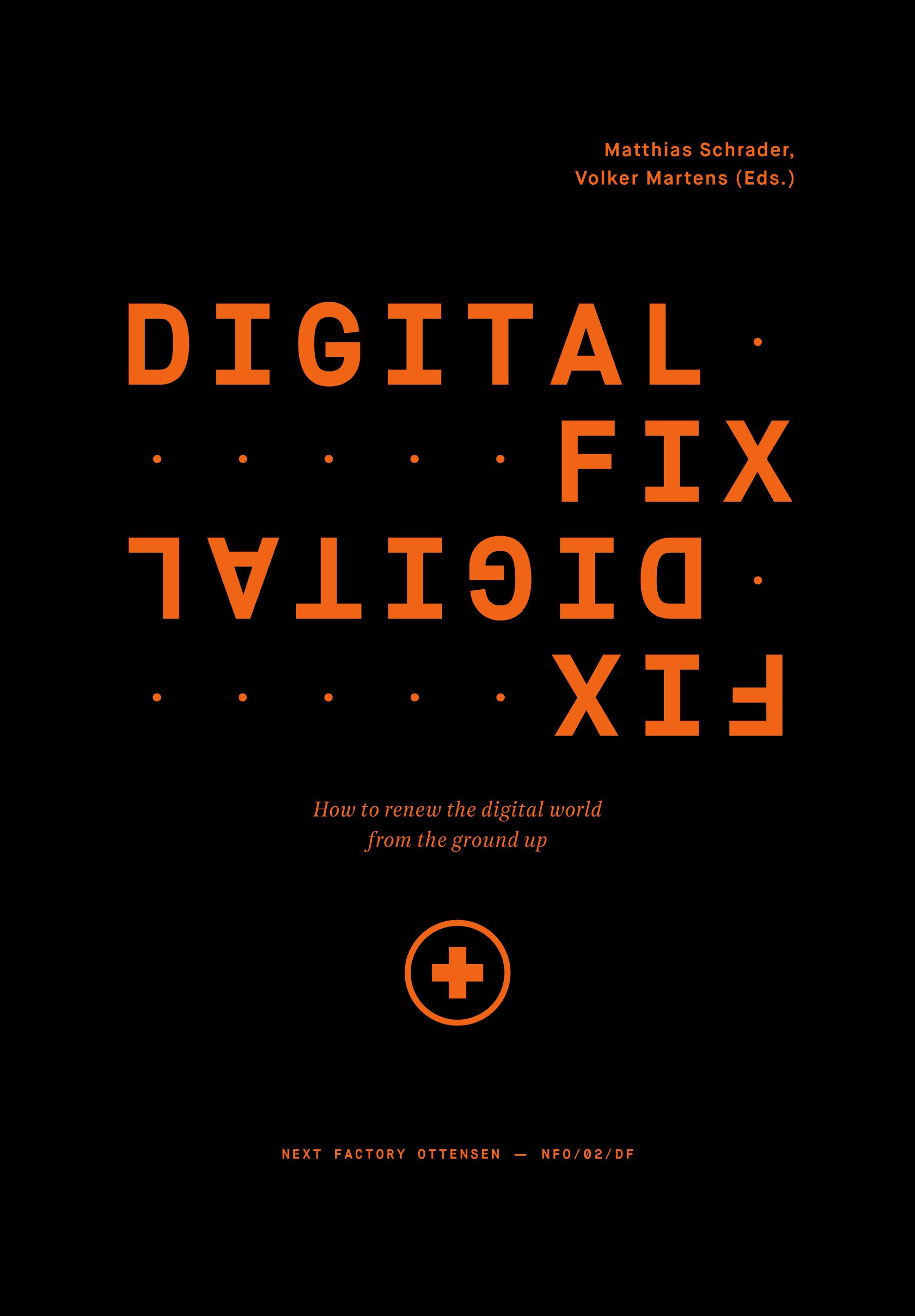
Are the promises of salvation made by digital technologies threatening to turn into the opposite? How can the various issues our societies face these days as a result of the negative effects of the digital revolution be resolved? Strategists, designers, engineers, researchers, journalists, philosophers, practitioners, entrepreneurs and artists present various solutions in this book. They all share a constructive view of the digital world in which we live today. Edited by Matthias Schrader and Volker Martens, the organizers of the NEXT Conference in Hamburg. With contributions by Virginia Dignum, Pamela Pavliscak, François Chollet, Stephan Dörner, Martin Recke, Adam Tinworth, Nika Wiedinger, Fifer Garbesi, Tobias Revell, and David Mattin.
Ta pozycja jest dostępna przez Internet. Rozwiń informację, by zobaczyć szczegóły.
Dostęp do treści elektronicznej wymaga posiadania kodu dostępu, który można odebrać w bibliotece.
E-book
W koszyku
Forma i typ
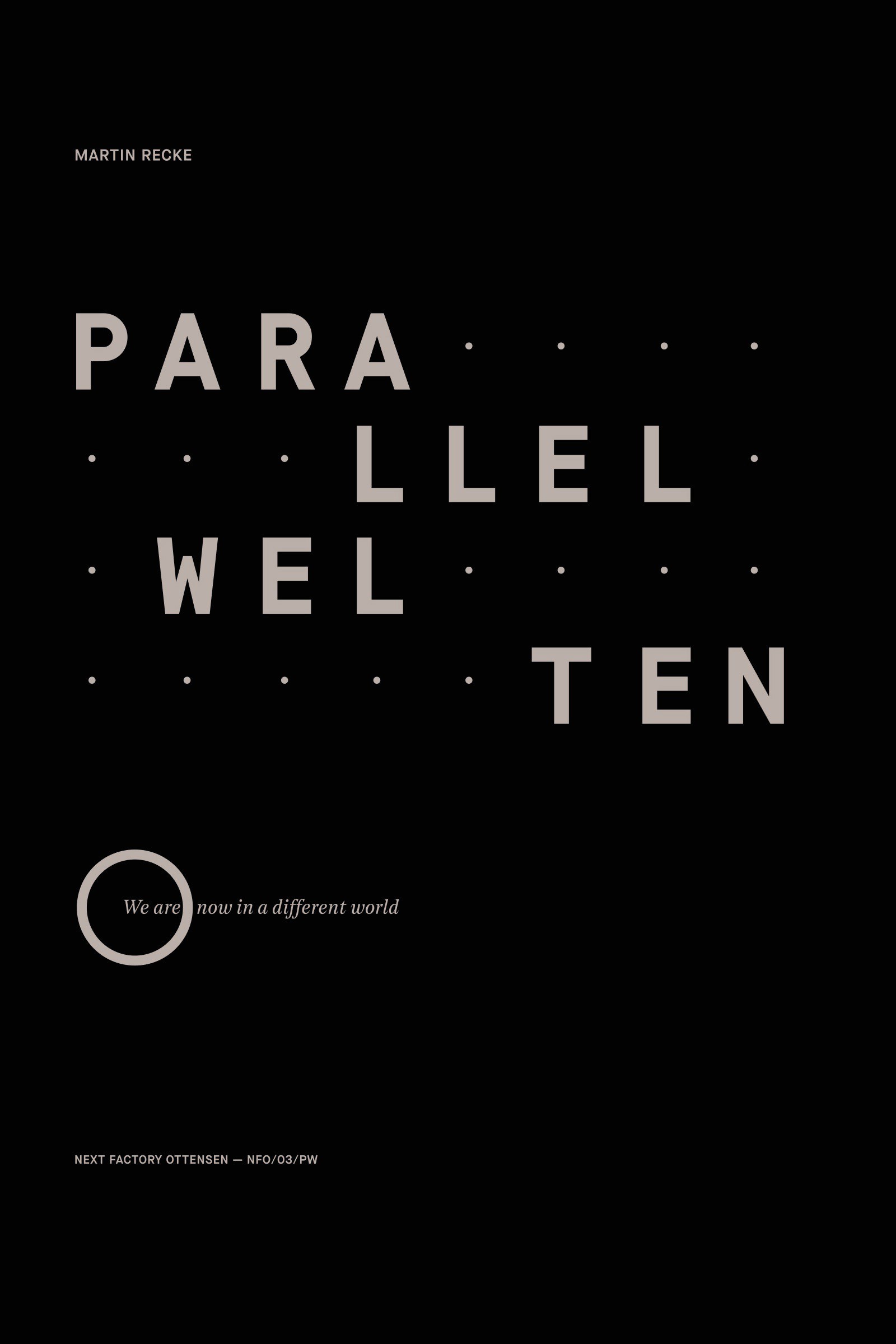
Parallelwelten (parallel worlds) are worlds invisible to anyone not part of them. More and more, our reality is defined through digital products, which afford us infinitely more freedom than in the analogue past. But increased choice has also heightened our susceptibility to manipulation. Filter bubbles, fake news and alternative facts are just data that can be easily and cheaply manipulated. We now live in multiple realities that are increasingly losing touch with each other. Reality has been turned into bits. Or is it the other way around? The digital world increasingly defines, controls and governs the analogue world. Tech companies buy and sell the raw data of human experience. Our human behaviour is turned into data, which is processed into information and then manipulated and fed back into our information diet to control our behaviour. Data is the raw material, and information - not content - is king. Information even defines reality. This book investigates these parallel worlds from different angles: technological, corporate, scientific, cultural, economic and political. It doesn't view tech as an end in itself and something the rest of the world simply must adapt to. Instead, it asks how tech can solve real problems and make the world not a worse place, but a better one.
Ta pozycja jest dostępna przez Internet. Rozwiń informację, by zobaczyć szczegóły.
Dostęp do treści elektronicznej wymaga posiadania kodu dostępu, który można odebrać w bibliotece.
E-book
W koszyku
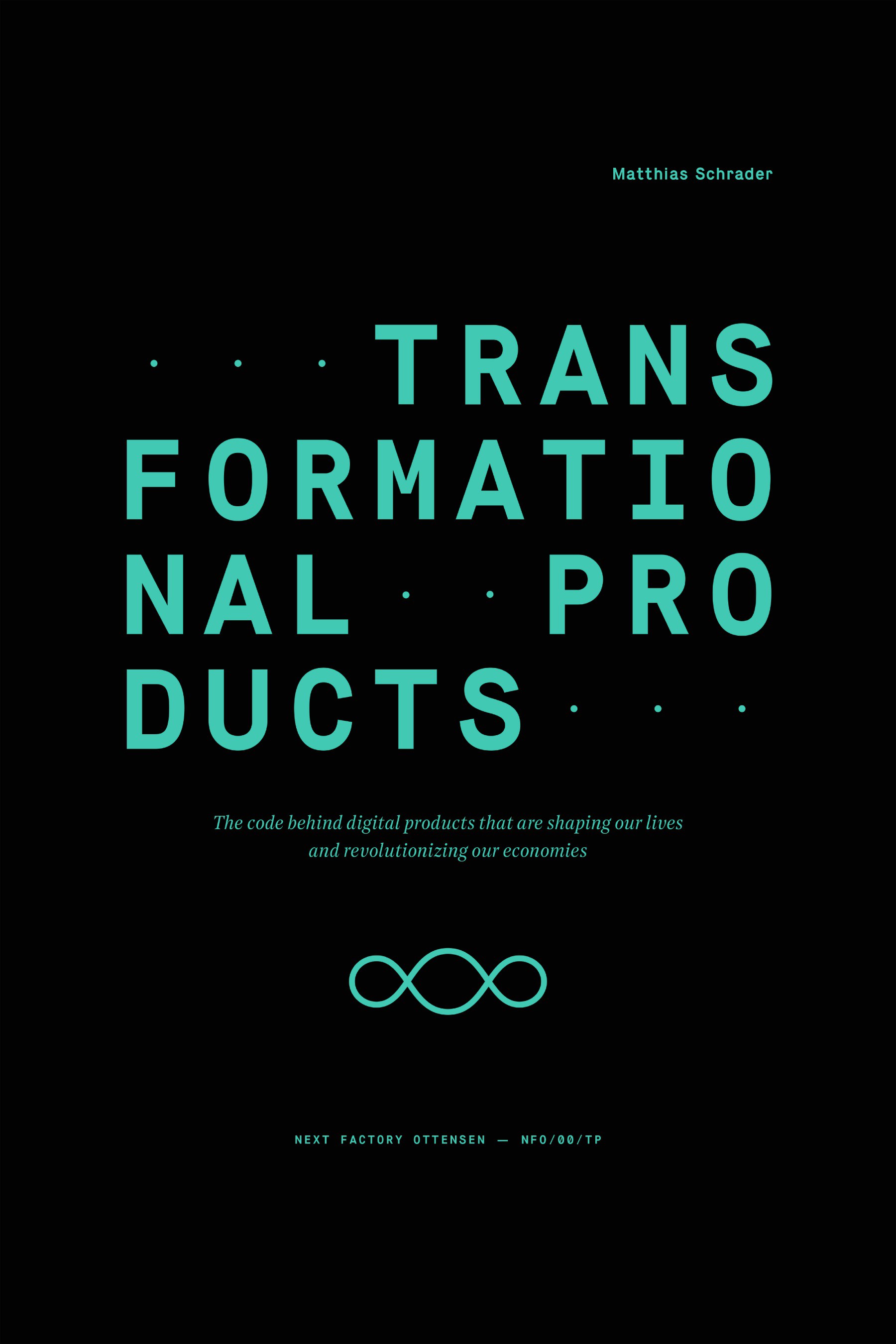
In his new book Matthias Schrader, co-founder and CEO of SinnerSchrader, puts the digital transformation on its feet. Whoever starts the digital transformation at the company has already lost. In the meantime, digital products from companies such as Google, Apple, Facebook and Amazon are conquering the everyday life of users. They successfully penetrate sectors such as banking, insurance, telecommunications, retail and automotive. Many companies are in danger of losing their relationship with their customers. They become interchangeable. Matthias Schrader deciphers the code behind the Transformational Products, with which Google & Co. successfully reshape entire markets. The book also provides a playbook for the successful development of Transformational Products in the corporate context. In the end, it bridges the gap between product development and the digital transformation of companies. Transformational Products turn classic marketing into a legacy and thus from a solution to a problem. The weapons of advertising (promotion), distribution (place) and pricing policy (price) have become blunt. Digitisation is a huge challenge for the product, the fourth P in the marketing mix. The focus on the product as a success factor forces companies to focus on the concrete value-added contribution for their customers.
Ta pozycja jest dostępna przez Internet. Rozwiń informację, by zobaczyć szczegóły.
Dostęp do treści elektronicznej wymaga posiadania kodu dostępu, który można odebrać w bibliotece.
Pozycja została dodana do koszyka. Jeśli nie wiesz, do czego służy koszyk, kliknij tutaj, aby poznać szczegóły.
Nie pokazuj tego więcej